
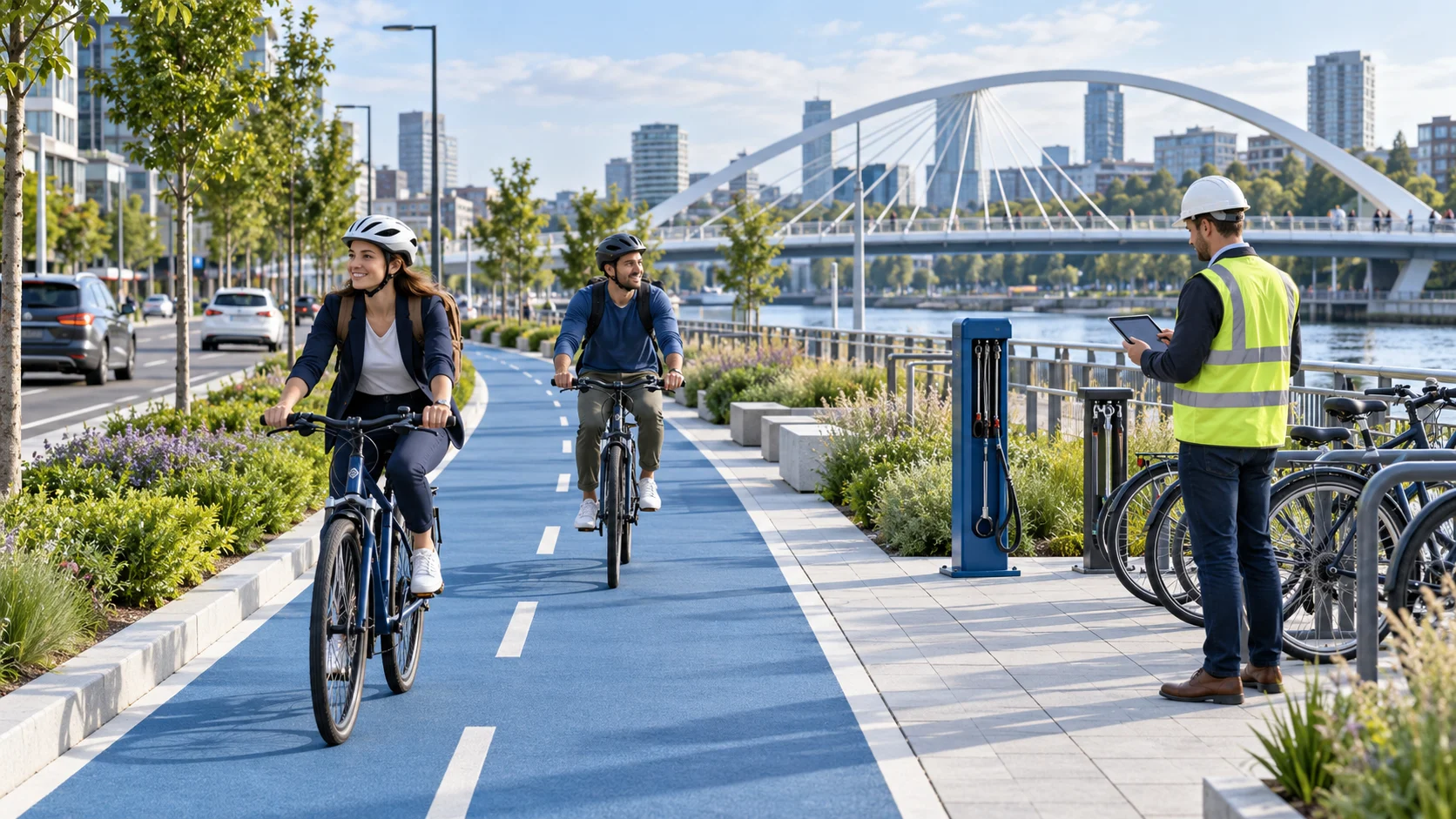
Nowadays, some countries are spending a lot of money to make it easier to use a bicycle.
Why is this so?
Is it the best solution to the transport problem?
در این نمونه سوال، در خط اول یه پدیده معرفی شده و زیرش دو سوال. سوال اول چرایی این پدیده رو خواسته و در دومی سوال از ما نظر می خواد. از اون جایی که هیچ روش به تنهایی نمی تونه بهترین روش باشه، در این جا می تونیم از مشکلات دوچرخه سواری بگیم و پیشنهادات مکمل بدیم.
Governments make decisions about issues influencing society; one example is that today, some countries are investing heavily in bicycle-friendly environments. Several reasons might explain this trend, although whether biking is the best solution is a complex matter.
This shift in policy might partly be about environmental benefits. Bikes produce zero emissions, and their widespread use can reduce air pollution, helping megacities meet their climate goals by reducing reliance on private transportation. This tendency can also help with traffic congestion. More bikers correlate with fewer cars, a huge benefit in crowded cities that need more efficient urban mobility. Governments might additionally be concerned about high obesity rates. Biking as a way to offset the negative effects of a sedentary lifestyle can promote physical activity.
However, this policy might not be the best solution. Biking is suitable for short distances in flat cities, while its use in areas with harsh climates or long distances (like travel from urban to suburban areas) may not be favored by the public. Therefore, the best approach should be a comprehensive plan involving biking infrastructure, along with efficient public transit, walkable urban designs, or certain legal actions, such as congestion pricing, to address transport issues.
Overall, countries investing in bike-friendly infrastructure are taking proactive steps to address major issues in large, dense urban centers. This investment will yield benefits, resulting in a more efficient, less polluting mode of transport and improved public health outcomes. However, biking is most effective when integrated into a multi-modal transport strategy, allowing for the compensation of its shortcomings.