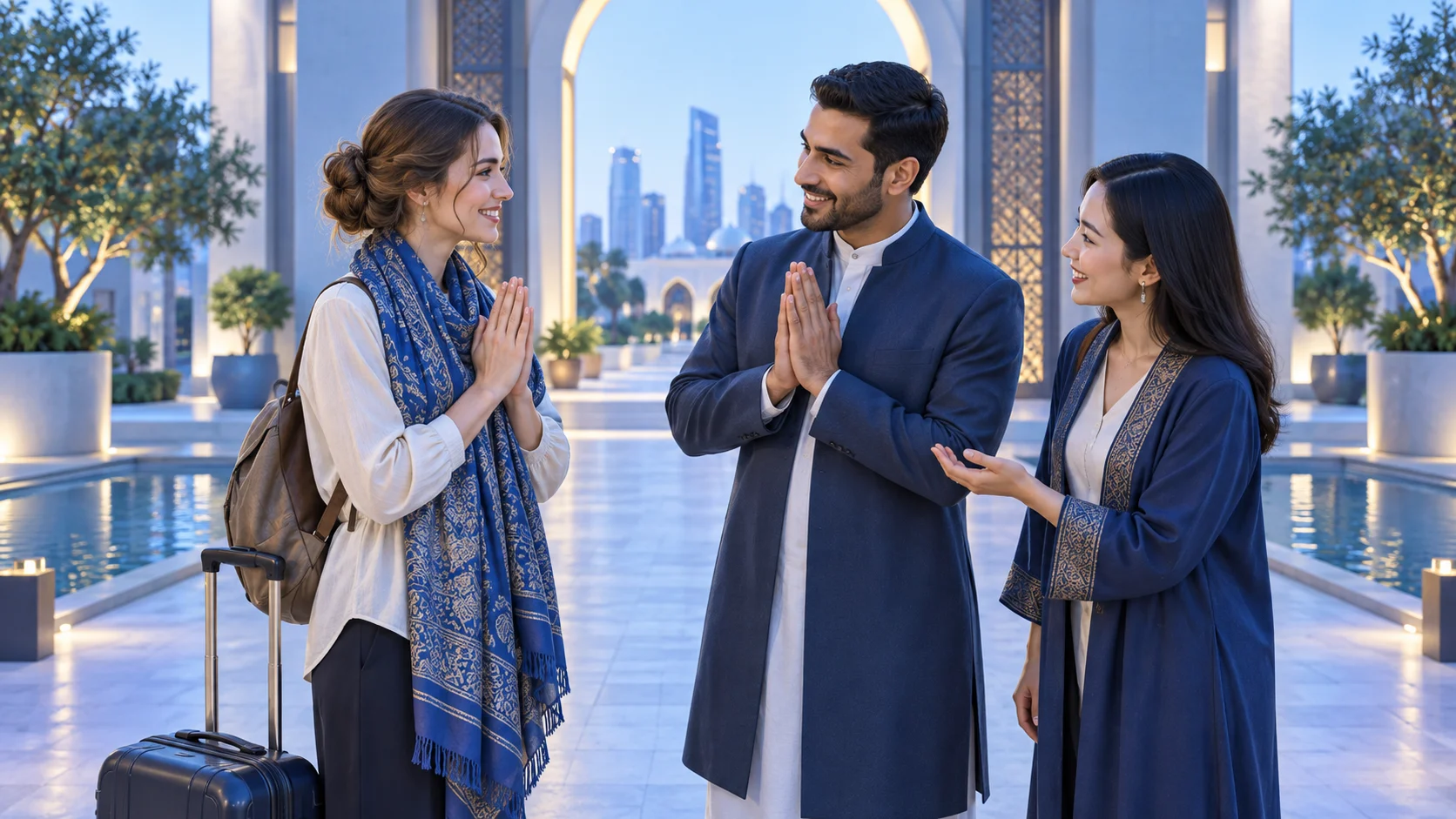
There are controversies about how tourists should conduct themselves. Some say they should respect and obey local traditions and norms, whereas others disagree, believing that host countries should embrace cultural diversity. However, a middle ground lying between the two views is more desirable.
On the one hand, locals can be more easily offended by tourists than people from their own country. They often view tourists as out-groups and strangers, so if they witness an oversight or abnormal behavior from these travelers, they might react negatively or, at times, harshly, perceiving it as a cultural invasion. For example, many Muslims become infuriated when visitors disregard religious practices, such as eating and drinking in public during Ramadan. Another example is being direct, which is considered rude and may result in hostility in several Asian cultures.
On the other hand, this proposal could have severe drawbacks, necessitating a change in the way host countries handle tourism. One issue is that tourists might not return to a country where they must be constantly cautious about their behavior, limiting the joy of travel. For instance, not drinking or eating during Ramadan can be substantially inconvenient for tourists in Muslim countries. Host countries, therefore, should embrace cultural diversity because exposure to various cultures can reduce people’s rigidity, and they will gradually become more tolerant of out-groups, resulting in cultural clashes diminishing significantly. One example is Dubai, a Muslim state with millions of tourists and only a few reports of tensions.
These discussions suggest that the two perspectives on managing tourism in relation to culture should be reconciled for a better outcome. This reconciliation is possible if tourists do not cross certain red lines. In a few cases, values and norms have deep roots, and no amount of exposure to other cultures can reduce their rigidity. If those few cultural sore spots are avoided, cultural diversity is a better choice for the host countries.