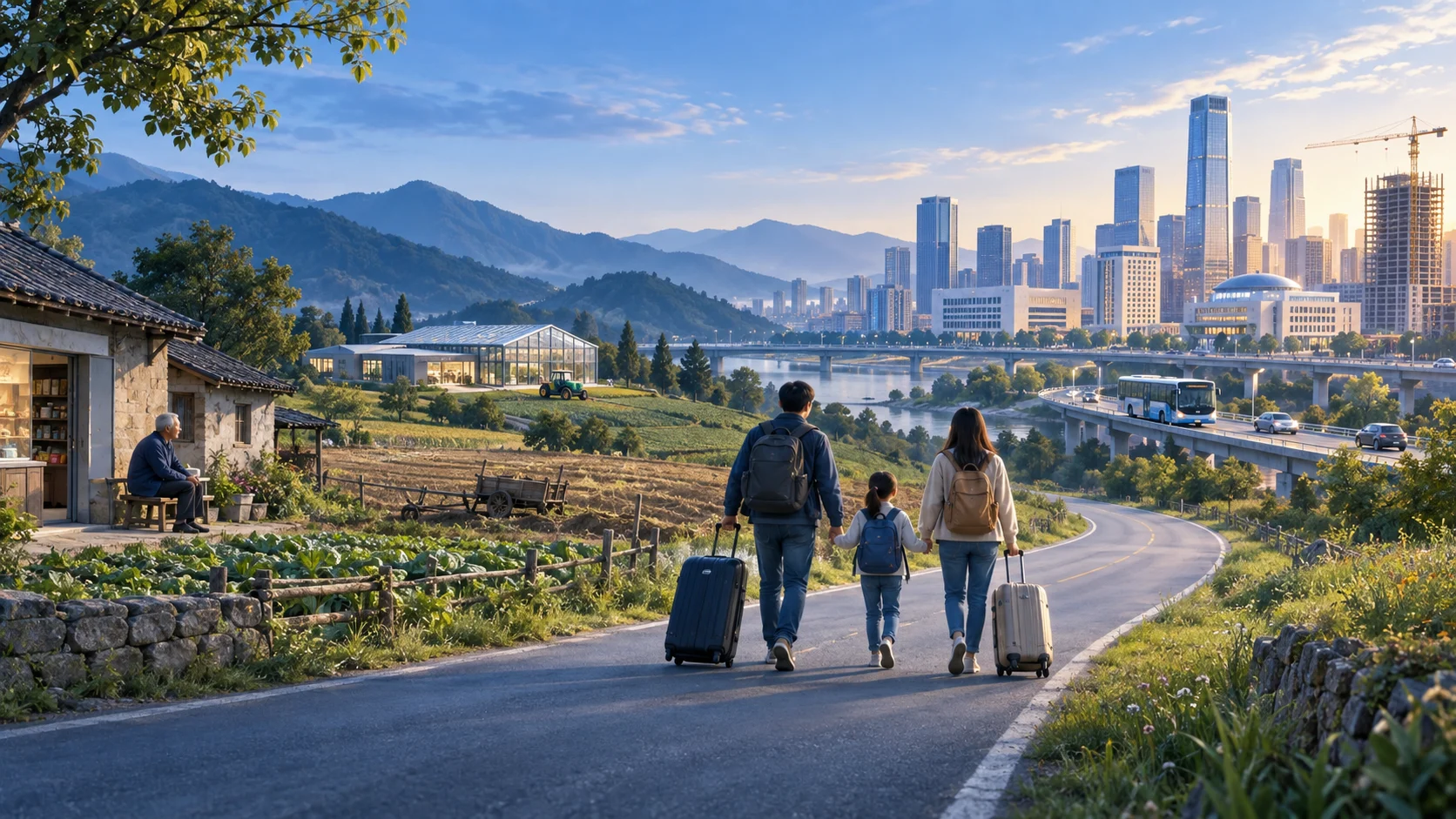
Urbanization is increasing globally, as many countries experience migration from rural areas to urban centers, leading to a decline in the rural population. Evaluating this trend is too complex to be simplified into a straightforward answer.
On the one hand, immigration from rural areas promotes equality. People living far from urban centers often have access only to mediocre facilities, products, and services, partly because jobs in remote areas are less appealing to the skilled workforce, and high-quality products tend to have better markets in cities. An additional positive effect is that it simplifies population management for governments. Population dispersion in rural areas requires governments to pay equal attention to various regions in a country, which often fails to happen, resulting in an imbalanced growth rate in areas distant from major urban centers.
However, as urban populations grow, the pressure on natural resources will intensify. More people will require energy, water, and food, which must be supplied by redirecting resources, such as rivers, from rural areas, leading to issues like the depletion of natural resources, with long-term consequences. Another issue is national hindrance in agricultural and farming activities. Employment in the countryside has traditionally focused on agriculture, and as the number of farmers declines, the lack of self-sufficiency in food security and dependence on foreign suppliers will become more significant obstacles.
These discussions suggest that if we only value social equality and national inclusivity as the positive effects of this global mass migration, we risk downplaying the negative impacts on our natural resources and food security. Therefore, to assess whether this global development is beneficial or detrimental, we should evaluate how governments can alleviate the negative repercussions of this trend before reaching a final conclusion.