It has become significantly easier and more affordable for people to travel abroad, raising important questions about whether this development benefits individuals and societies. I believe that low-cost international travel is largely positive, although its drawbacks require thoughtful and responsible management.
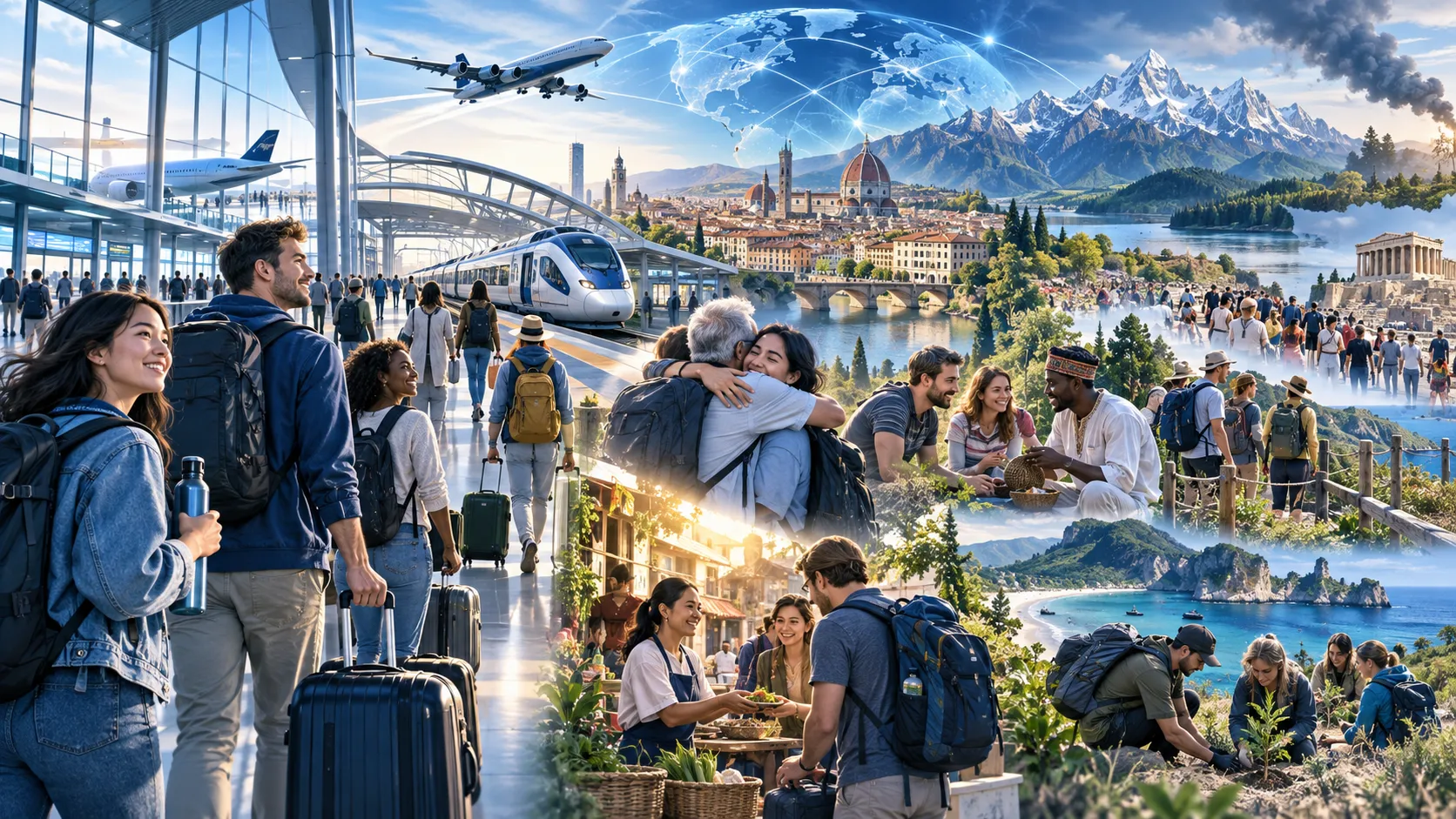
One major advantage of affordable travel is its ability to reduce prejudice and narrow cultural divides. Experiencing another society directly—its language, traditions, and daily routines—helps travelers replace stereotypes with a more grounded understanding of human diversity. This exposure often leads to greater tolerance and more flexible thinking, which are urgently needed in a world still struggling with cultural tensions. In addition, international travel generates substantial economic benefits. Tourism supports a wide network of industries, from transportation to hospitality, creating jobs and bringing investment to regions that may lack other reliable sources of income. For many developing countries, tourism is a vital engine of growth.
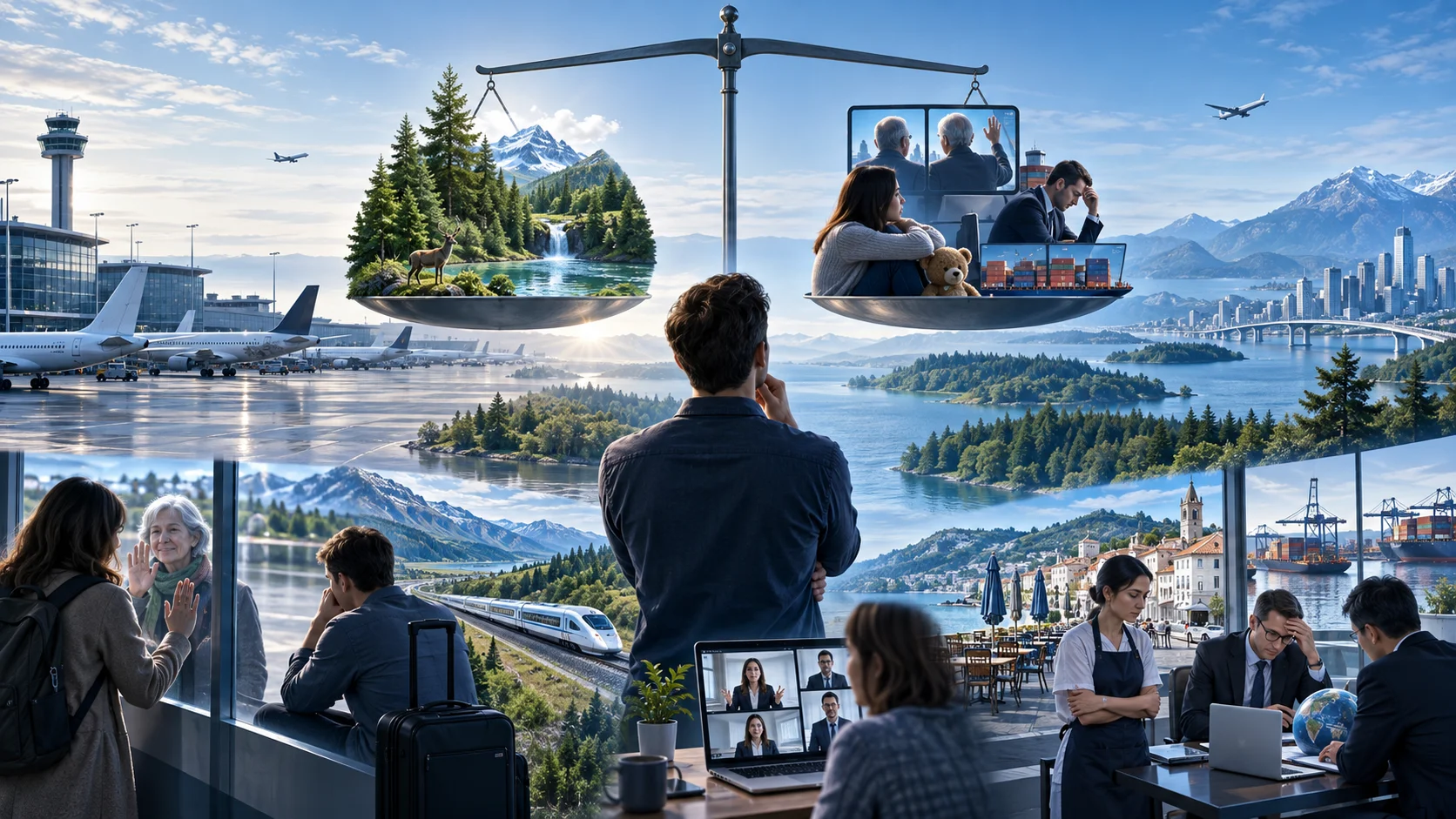
However, easier global travel also introduces serious challenges. Air travel is a significant contributor to carbon emissions, and the rise of mass tourism has placed enormous pressure on ecosystems, national parks, and coastal regions. Overcrowding, litter, and habitat destruction frequently accompany tourist booms. There is also the issue of cultural erosion. As cities reshape themselves to appeal to foreign visitors, local customs, neighborhoods, and traditional practices can be commercialized or pushed aside, weakening the identity of entire communities.
These considerations suggest that the benefits of international travel—cultural understanding and economic development—are substantial, but they come with environmental and cultural costs that cannot be ignored. With proper safeguards, sustainable tourism policies, and greater awareness among travelers, I believe the advantages of global mobility ultimately outweigh its negative impacts.