
Human interests do not always develop in harmony with environmental needs. Although manufacturing and using cars damage the environment, their popularity continues to increase. I believe there are understandable reasons for this trend, but its environmental consequences can be controlled.
One possible cause of the increasing popularity of cars is the changing nature of modern life. Many people now travel considerable distances between their homes, workplaces, schools, and shopping centers, making private cars a convenient way to manage their daily journeys. Another cause might be inadequate public transportation. In cities where buses and trains are unreliable, overcrowded, or unavailable in some areas, owning a car becomes less of a luxury and more of a practical necessity.
There are several ways to control this problem. Government intervention in car manufacturing can be one effective approach. Governments can offer financial incentives for producing electric and low-emission vehicles while imposing stricter environmental standards on conventional cars. This would allow the automobile industry to respond to growing demand without causing the same level of environmental damage. Changes in traffic policies can also mitigate the problem. Congestion charges, higher parking fees, and restrictions on cars in crowded areas can make unnecessary driving less attractive.
So far, these discussions suggest that the growing popularity of cars is largely connected to the practical demands of modern life and inadequate pubic transportation. If this trend continues without intervention, increasing car ownership may cause considerably greater environmental damage. Therefore, a multifaceted response is needed: while industrial policies should make the cars people buy cleaner, traffic policies should create conditions in which people use those cars more selectively.
مطالب مرتبط
Nowadays, most people are not as fit and active as they were in the past. What are the main causes of this situation? What can be done about this?
The availability of unhealthy food, such as fast food and junk food, has become more widespread in recent years. What are some of the problems associated with this development? What action can be taken to solve them?
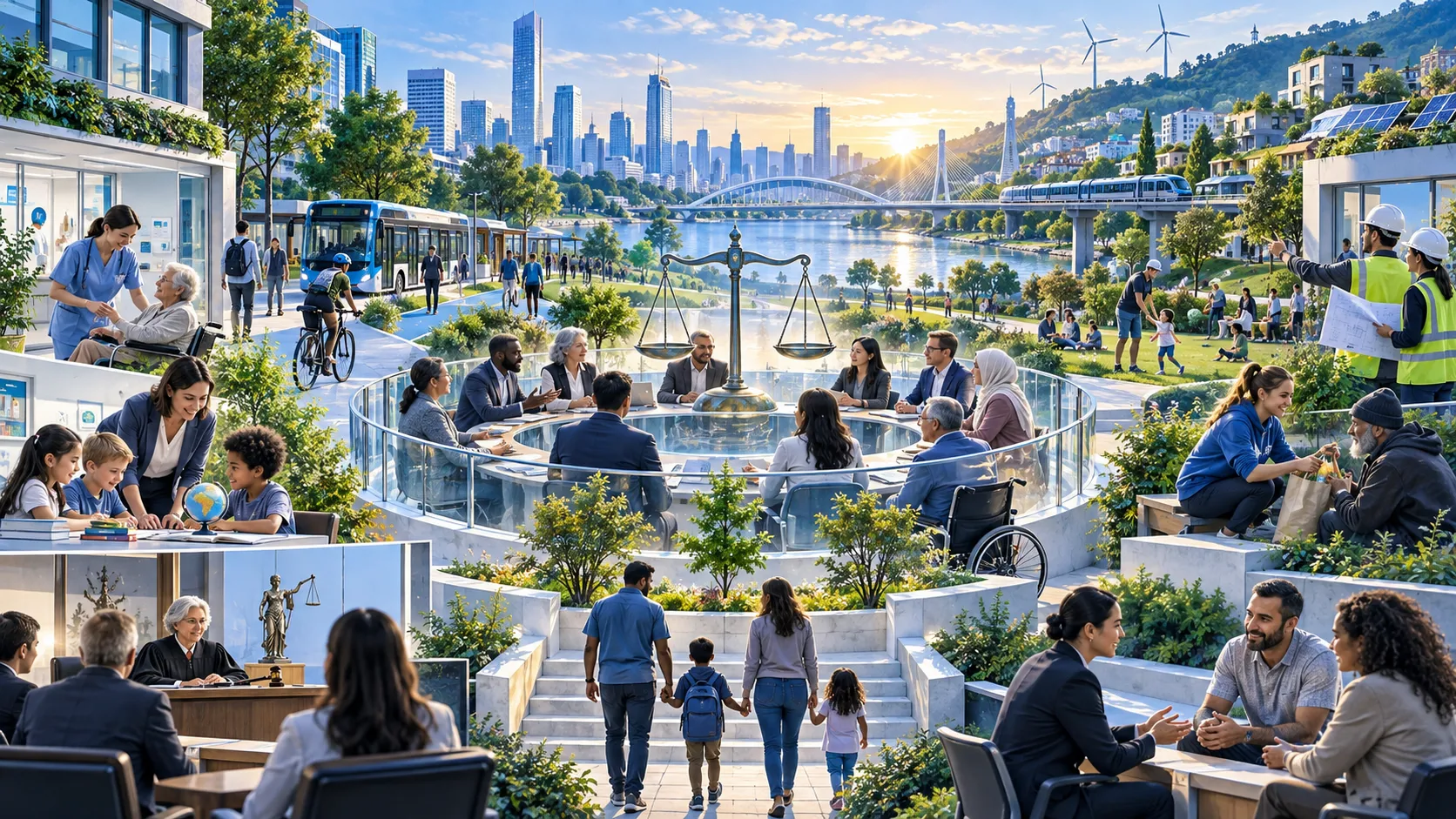
Throughout history, people have dreamed of living in a perfect society, but nobody has agreed on what an ideal society would look like. What do you think is the most important element needed to make a society perfect? How can the ideal society be achieved?
نظرات
هنوز نظری ثبت نشده. اولین نظر را شما بنویسید!
برای ثبت نظر وارد شوید
