
A lot has changed in recent years, for better or worse, and our eating habits have not been an exception. Unhealthy food has become increasingly widespread around the world, a trend that threatens both physical and mental health and must be addressed before its consequences deepen further.
One major problem caused by the dominance of unhealthy food is the decline in public health. Fast food items such as pizzas, burgers, and processed meats contain excessive levels of sugar, salt, and trans fats, which are directly linked to obesity, diabetes, and cardiovascular disease. These conditions reduce life expectancy and place millions at long-term medical risk. An even more troubling issue is the addictive nature of junk food. Its chemical composition is designed to stimulate dopamine release in the brain, causing people to crave repeated emotional “highs” and lose control over their appetite. Over time, this leads to dependency-like eating behavior rather than conscious, regulated choices.
To address these problems, strong governmental intervention is essential. Just as tobacco consumption was reduced through taxation and advertising restrictions, similar policies should limit access to unhealthy food. This includes banning junk-food advertising—especially to children—enforcing transparent nutrition labelling, and regulating harmful additives used in mass-produced meals. Beyond regulation, education must be a long-term solution. Changing deeply ingrained habits among adults is difficult, but children can be taught food literacy from an early age. When schools help young people understand nutrition, cooking skills, and the effects of processed foods on the body, they form a generation better able to make healthy choices.
These discussions suggest that the growing dominance of junk food, if left unaddressed, will continue to create serious health problems and addiction-like eating patterns. Therefore, the root causes of this development—easy accessibility and widespread ignorance—must be confronted through coordinated action by policymakers, health authorities, and educators.
#problem
🔵I have written every essay you see on this channel, but they are all edited with the help of AI. 🔵
مطالب مرتبط
Manufacturing and using cars damage the environment, but their popularity is increasing. Why is this happening? How could this be controlled?
Nowadays, most people are not as fit and active as they were in the past. What are the main causes of this situation? What can be done about this?
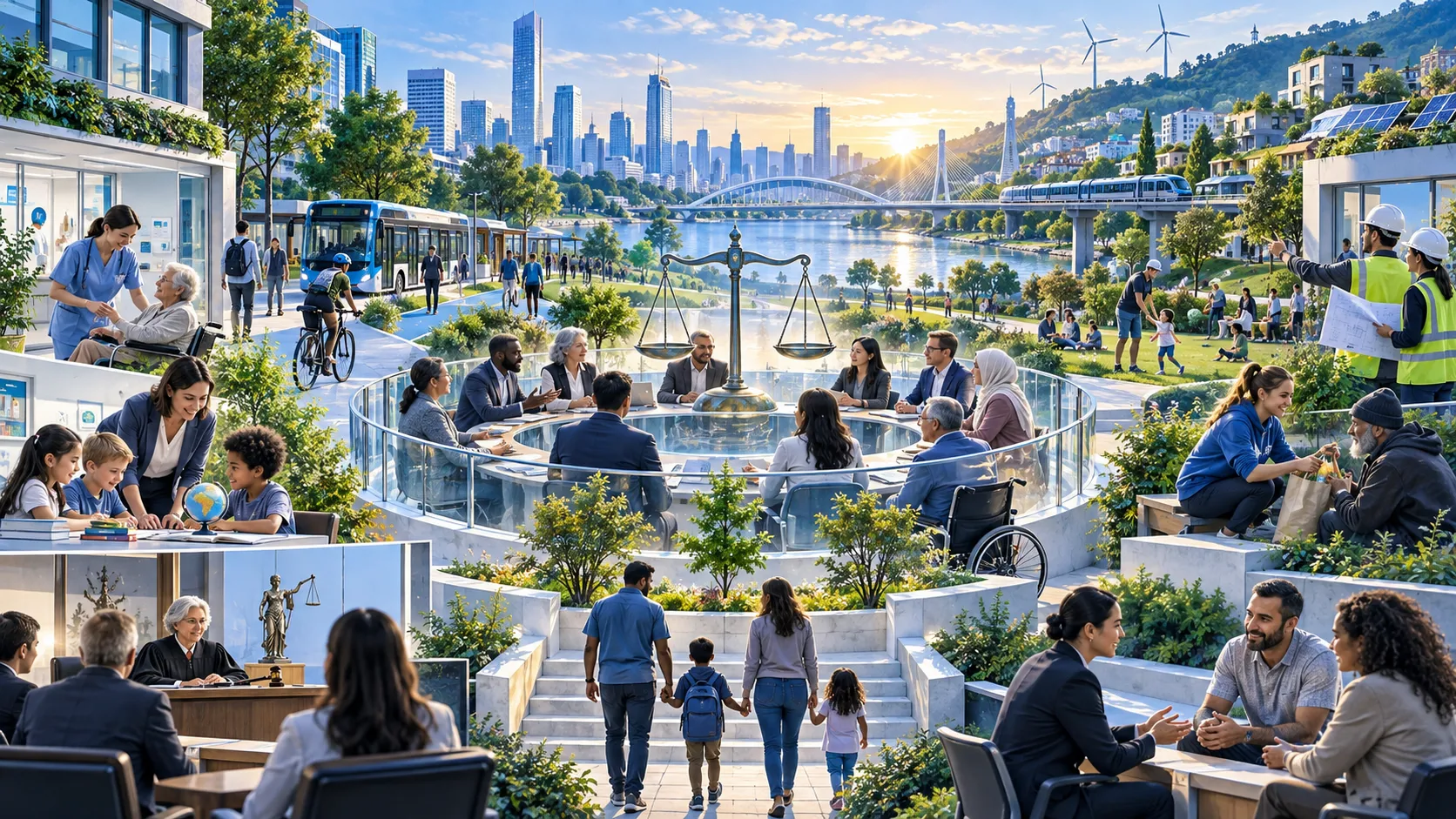
Throughout history, people have dreamed of living in a perfect society, but nobody has agreed on what an ideal society would look like. What do you think is the most important element needed to make a society perfect? How can the ideal society be achieved?
نظرات
هنوز نظری ثبت نشده. اولین نظر را شما بنویسید!
برای ثبت نظر وارد شوید
