In many countries, public figures have begun criticizing the media for exposing details of their personal lives. While some argue that celebrities should simply accept this as the cost of fame, I believe this view is only partly valid.
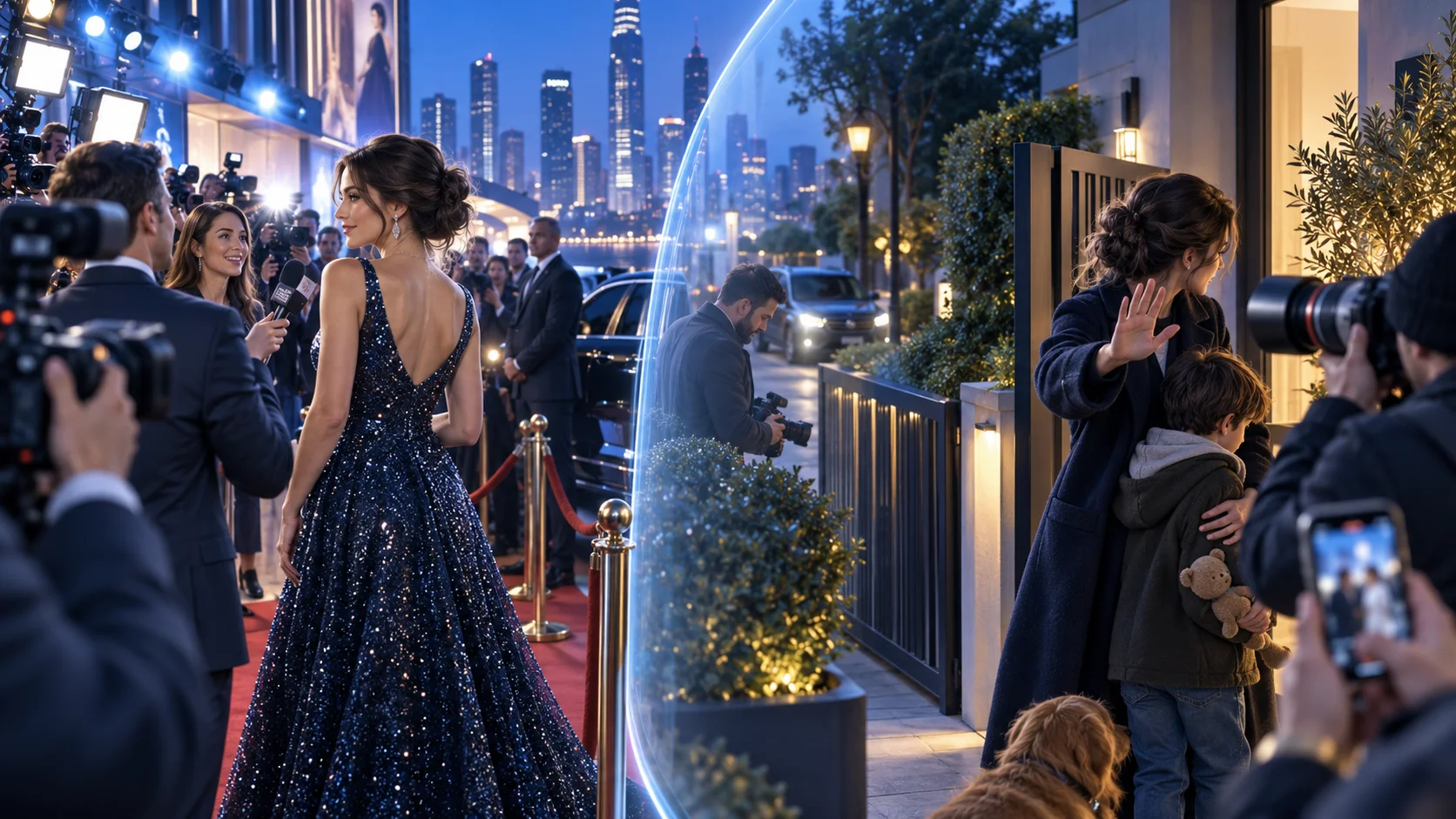
It is true that publicity is integral to celebrity culture. Actors, musicians, and influencers depend on public visibility to sustain their careers, and attention—whether in interviews, premieres, or social media—directly translates into income. When one’s livelihood is built on public interest, a degree of intrusion becomes part of the business model. Moreover, celebrities shape cultural norms. In such cases, there is a legitimate public interest in ensuring transparency, especially when a celebrity’s private conduct contradicts their public messaging. For example, a public advocate of healthy living may reasonably face scrutiny if their behavior suggests otherwise.
However, today’s technological landscape creates risks that extend far beyond traditional media scrutiny. With AI-generated deepfakes and rapid online circulation, celebrities can be misrepresented in ways that distort public perception entirely. The price of fame has therefore risen dramatically, often in ways impossible to control or correct. Another concern is the asymmetrical harm of media exposure. While a famous actor may tolerate unwanted attention, their children or partners—who never chose fame—may suffer psychological or social consequences as collateral damage. Privacy violations, in this sense, extend beyond the celebrity and into the private sphere of their family.
These considerations suggest that while some level of scrutiny is inevitable and even justified, accepting unlimited intrusion is neither fair nor responsible. Fame does require openness, but it does not negate the right to personal dignity and protection from technological or familial harm. Therefore, the view that celebrities must simply “accept” exposure is valid only to a limited extent.