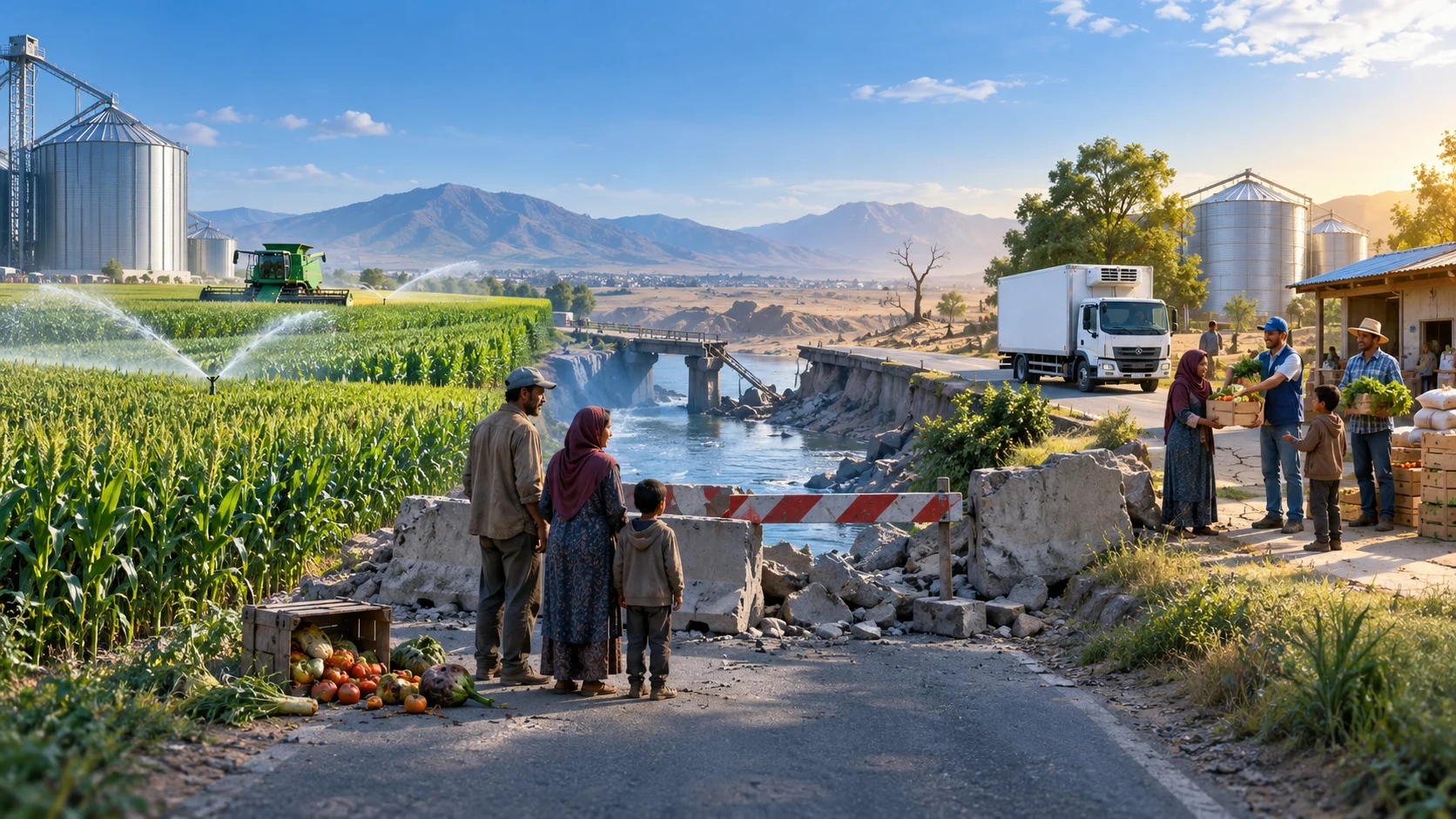
The advancements in the agriculture industry have been significant in recent years; however, the number of hungry people has also increased. Several factors may explain this issue, which global powers could address if they collaborate.
One reason for this paradox may be the exclusivity of modern farming techniques to developed countries. In many regions, farming remains traditional and is often managed by small farms, meaning that the amount of food produced does not correspond to, nor is it sufficient for, the population growth in those areas. Moreover, advanced agricultural practices adversely impact food prices. Modernization can be costly, and farmers often need to recoup their initial investments by raising prices, which affects the purchasing power of low-income families.
To mitigate the effects of this problem, financial aid from developed countries is needed as a short-term strategy. Little can be expected from the governments directly dealing with hunger, as they often lack sufficient budgets to invest in food security. However, to address the root cause, more must be done in the long run; since less developed countries may struggle to develop the necessary technology and methods to improve their farming output quickly, world powers should facilitate the transfer of relevant technology and knowledge at reasonable prices or, in difficult situations, volunteer such resources to expedite the modernization of farming worldwide.
These discussions suggest that, given the widening gap between developed and developing nations in technological advancements, coupled with the increase in food prices, world hunger could escalate into a major crisis if left unaddressed. This underscores the responsibility of developed countries to leverage their influence and contribute financially to food security while also addressing the imbalance in the distribution of essential agricultural technologies to safeguard themselves from future waves of hungry immigrants.