
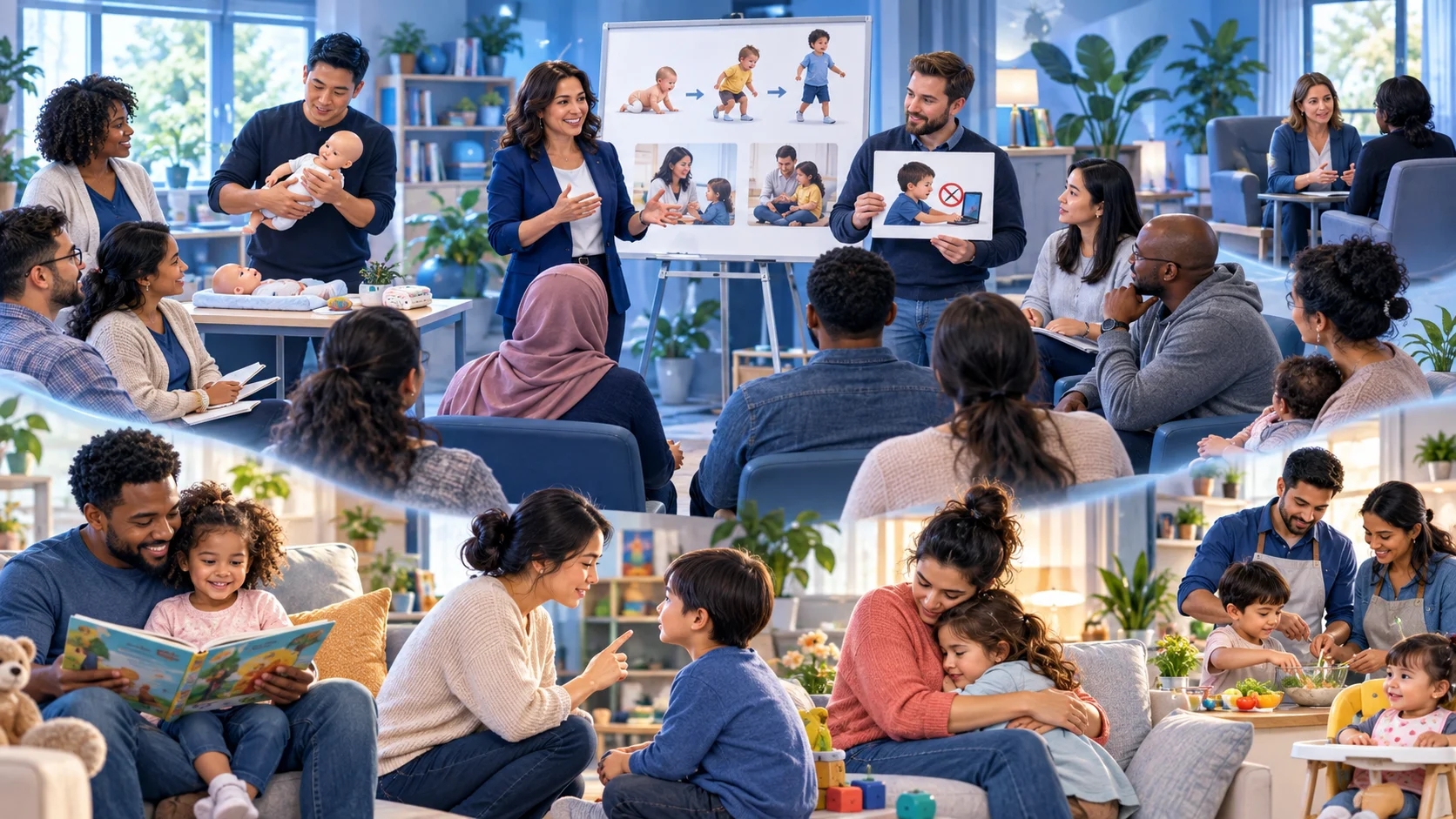
Parenting has never been a clear-cut lesson plan, which is why people hold such different opinions about the most effective way to raise children. In this context, some claim that attending parenting courses is necessary for all parents. I disagree with this view because it oversimplifies a complex, deeply personal experience.
It is true that many parents today feel overwhelmed by the demands of modern parenting, and in that sense, training can seem essential. The world is changing far too quickly for traditional family wisdom to keep pace. Issues such as school bullying, relentless academic competition, online safety, and emotional regulation are relatively new challenges, and many parents lack practical tools for dealing with them. From a psychological perspective, parenting courses can also help break unhelpful generational patterns. Without guidance, parents often fall back on the methods they experienced in childhood—either repeating their parents’ mistakes or rebelling against them—resulting in the transfer of unresolved trauma or conflict onto the next generation.
However, making parenting training compulsory risks overlooking qualities that cannot be taught in a classroom. Many parents bond naturally with their children, and intuition often guides them toward decisions that suit their child better than any textbook. Over-emphasis on expert instruction may drown out this instinct and turn parenting into a rigid, mechanical process. Moreover, mandatory courses can backfire. Parenting is a deeply emotional and private domain, and when external authorities dictate what parents “should” do, resistance is likely. In such cases, parents may publicly comply while ignoring the lessons in practice, thereby defeating the purpose of the training.
These considerations suggest that although parenting education can help parents feel more confident and reduce the transmission of harmful patterns, making such training compulsory would oversimplify human relationships and provoke unnecessary resistance. A more balanced approach is to offer these courses widely, encourage participation, and allow parents to choose what aligns with their values. This respects both the complexity of parenting and the natural instincts that often guide it.