
A great deal has been said about the impact of news on society, and several proposals have been made to regulate its influence. One is that the media should transition toward more positive news, a proposition that is somewhat short-sighted despite its merits.
One reason why good news matters is that bad news is addictive. Our brains, shaped by years of evolution, have developed a threat-seeking tendency for survival, which the media exploits to boost readership. There is also the idea that positive news stories inspire people to take action. News articles that focus on negative events, such as wildfires, can foster an 'everything-is-doomed' mentality. This should be balanced with messages of hope, which can be achieved by reporting on how communities are helping to solve problems, such as innovations in fire prevention, instead of just reporting statistics on damage and loss of life.
However, the problem with this proposal is that it can promote toxic positivity. Sharing too much good news might cause people to overlook real suffering, leading them to believe that, for example, poverty has been solved, when in reality, good news should emphasize progress, not hide struggles. Another issue is overlooking the benefits of bad news. People need to confront reality, which includes more than just stories like a puppy being rescued today. Real life encompasses many challenging topics, including war, disease, and poverty, that people need to be aware of to adjust their expectations.
One logical conclusion here is that this proposal should be evaluated based on both its strengths and weaknesses. If the media highlights more positive stories, there will likely be less threat-seeking and a more action-oriented society. However, along with good news about solutions and progress, bad news is also necessary to prevent society from becoming delusional and having unrealistic expectations.
مطالب مرتبط
The best way to provide enough homes in large cities is to build tall apartment blocks. To what extent do you agree or disagree with this statement?
Nowadays, many mothers take care of the family and don’t go out to work. Some people believe they should be given salaries by the government. Do you agree or disagree?
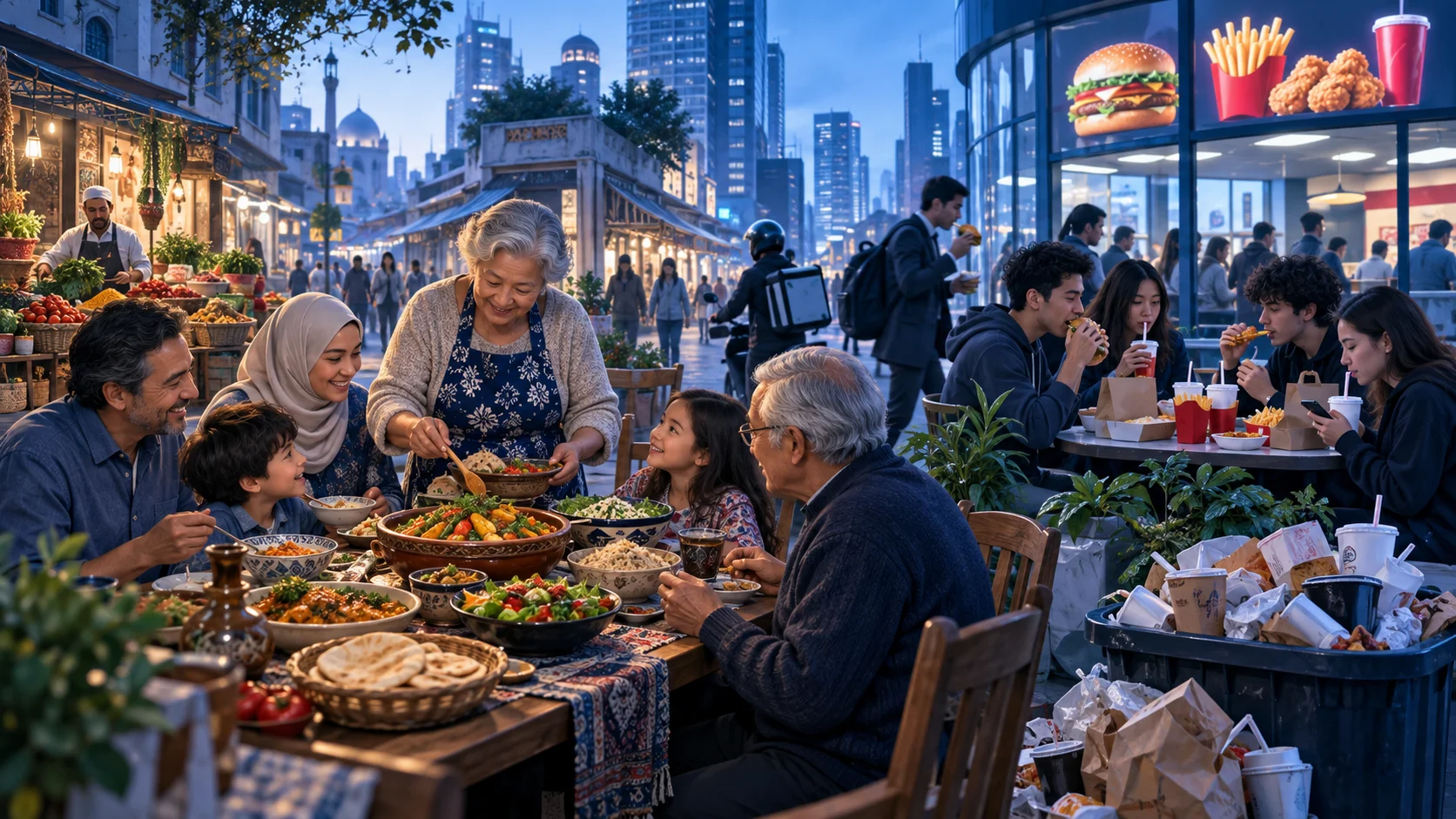
In many countries, traditional foods are being replaced by international fast foods. Many people believe this has a negative impact on both families and societies. To what extent do you agree or disagree?
نظرات
هنوز نظری ثبت نشده. اولین نظر را شما بنویسید!
برای ثبت نظر وارد شوید
