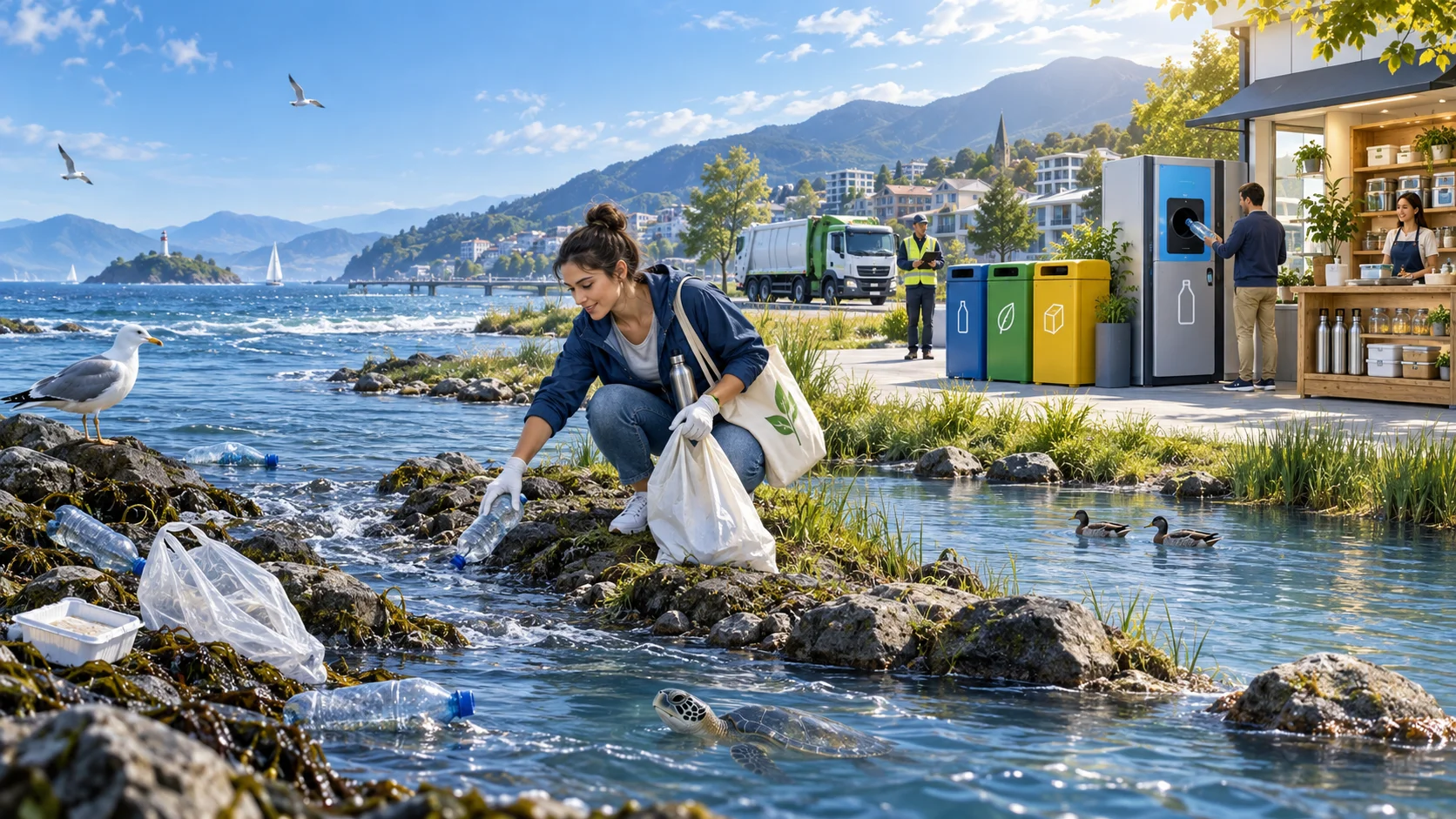
As consumers and producers, we heavily rely on plastic products and raw materials, leading to a significant issue aptly named the ‘plastic crisis.’ This urgent issue harms the environment to a degree that only the collaborative efforts of governments and citizens can alleviate.
Plastic negatively impacts our ecosystems in ways we might not fully understand. First, it does not biodegrade; once it escapes into natural environments, it begins to break down into microparticles, which are consumed by numerous animals and marine organisms, leading to the loss of various species. Even worse are the chemicals that leach from plastic. These chemicals infiltrate soil, air, and water bodies- the primary ingredients in agriculture. The full scope of the consequences of this pollution may be beyond our understanding, but the rise in health issues ranks at the top of the list.
To combat this disaster, governments can budget for more plastic recycling facilities. This reduces the production of new plastic, which relies heavily on burning fossil fuels, while also curbing the addition of more plastics to our world. However, this alone does not suffice because most plastics can only be recycled a few times. That is why citizens should refuse to buy or use single-use plastic bags, bottles, or other unnecessary plastic items and develop the habit of reusing them. This public refusal can serve as leverage against companies, particularly within the packaging industry.
These discussions suggest that plastic microparticles and chemicals are the consequences of our excessive use of plastics, which are wreaking havoc on our health, wildlife, and soil. To address this issue, a collaborative effort by governments and individuals is essential to tackle the root causes of our dependency on plastic at two levels: production and consumption.