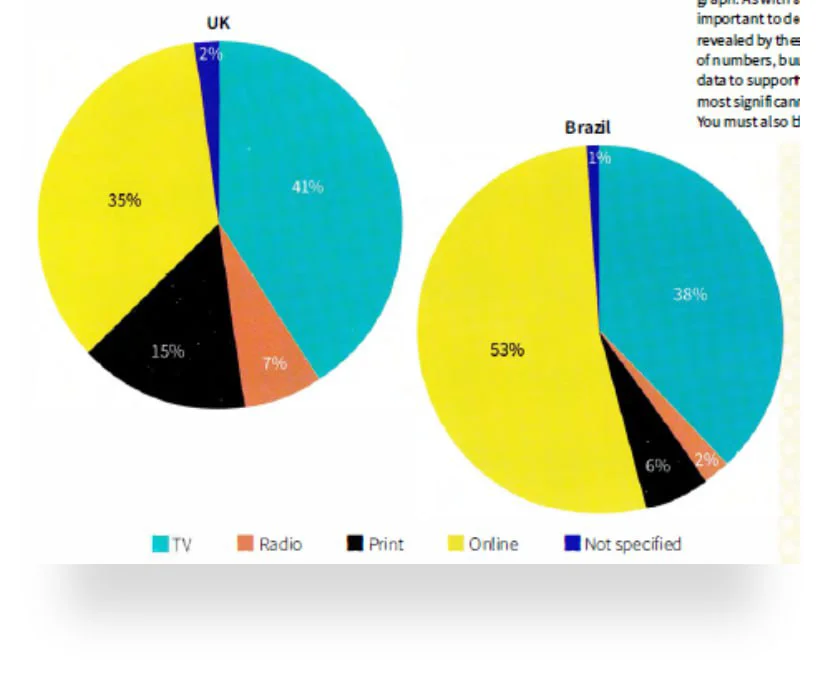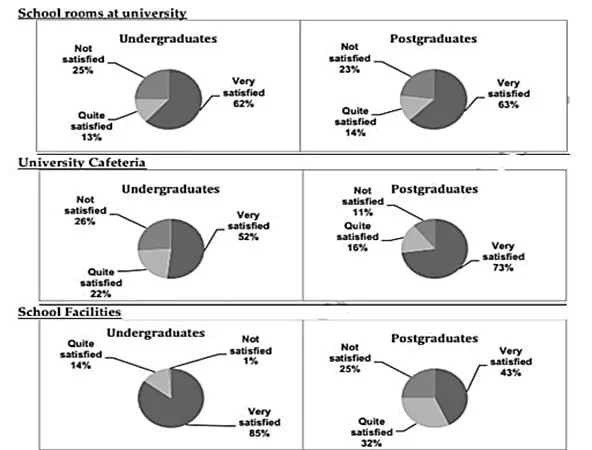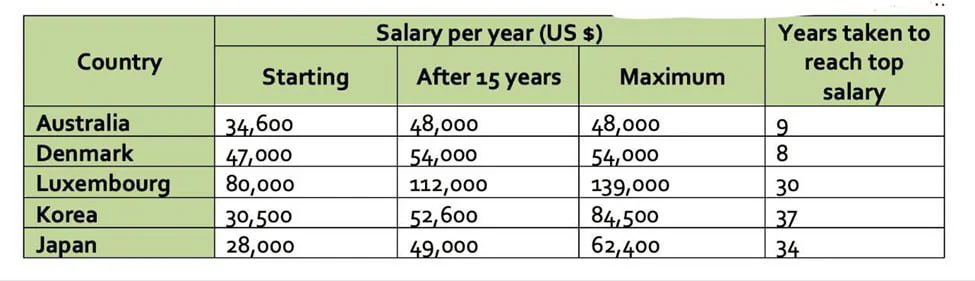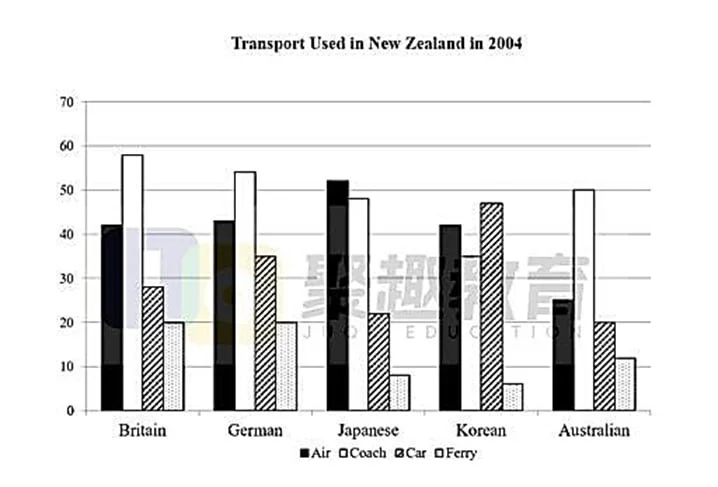
The pie charts show four main ways (as well as a set of unlisted methods) of finding news in two countries, namely the UK and Brazil. Overall, TV and online channels are the most dominant methods in both countries, whereas the remaining sources account for smaller percentages, with those in Brazil being two or three times lower.
Online news is accessed by a little over a third of the UK population, while the figure is 53% (the most massive in the data) in Brazil. News access via TV is also widespread in both countries, with about two-fifths of the UK population using this as the primary mode of access and only 3% less in Brazil.
By contrast, there are significant differences between the UK and Brazil in other methods. One is that in the former country, the proportion of people reading the news in print is more than twice as large (15%), and when it comes to radio, a more significant percentage of the people in the UK (7%) listen to the news on this device, more than three times greater than that of Brazilians. Even in the least used ways (the non-specified category), the UK shows a rate twice as great: 2%.